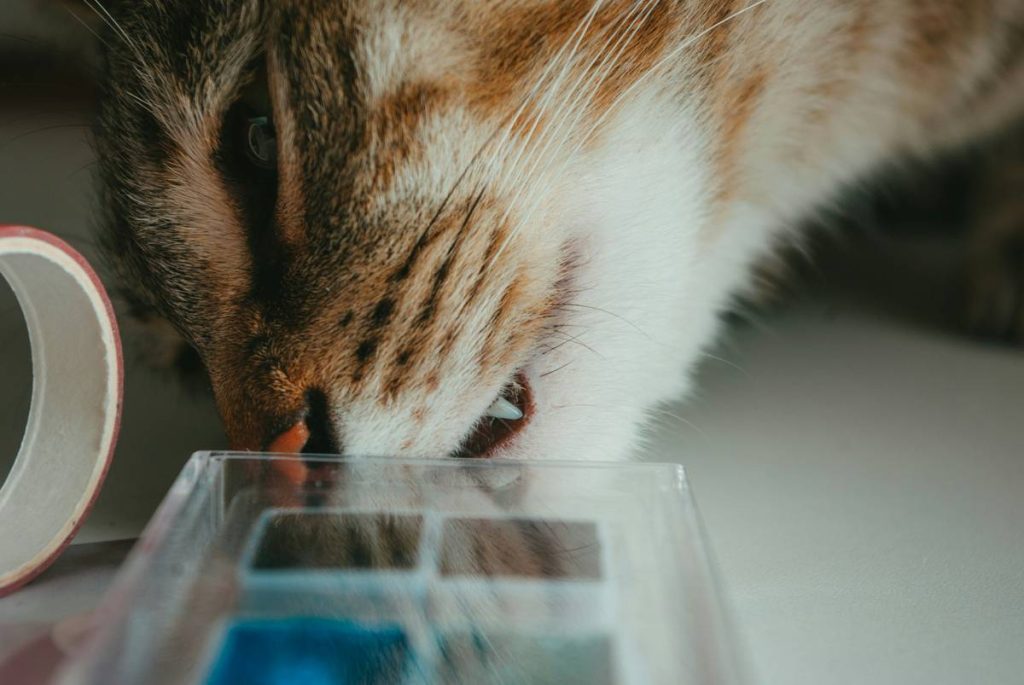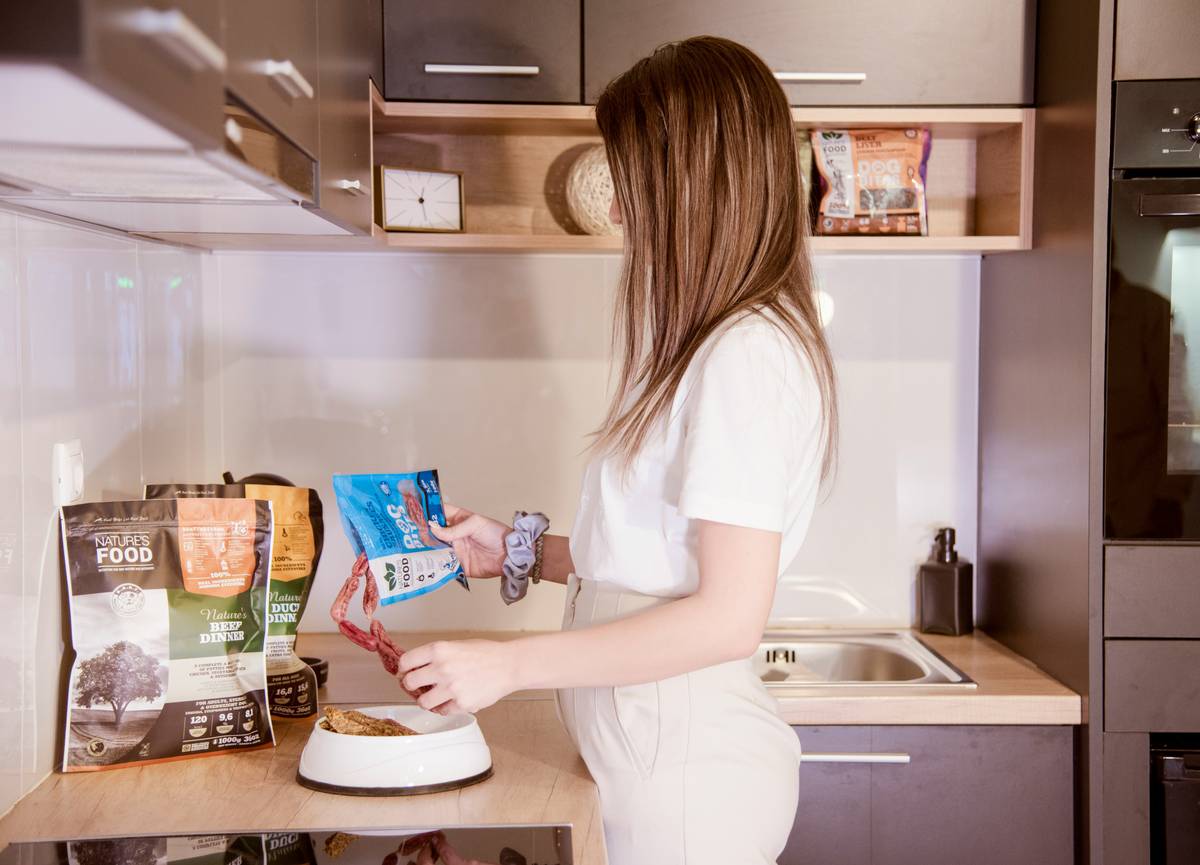
Ever watched your seasoned pointing dog nose a premium game-bird kibble—then walk away mid-meal like it’s yesterday’s rain-soaked pheasant feather? I have. Last October, while prepping for our first grouse hunt of the season, I switched to a new “high-performance” hunting dog food touted for “bold wild game flavors.” My 4-year-old German Shorthaired Pointer, Juno, ate two bites… then stared at me like I’d offered her gravel. Two days later, she developed loose stools and refused even her favorite venison jerky. Turned out, that formula used three overlapping liver-based flavor enhancers—and zero palatability testing on field dogs with active scent work. Flavor fatigue isn’t just picky eating; it’s a silent energy leak in working canines.
This guide cuts through marketing fluff to show how Customizable Flavor Blends solve real problems for hunting dogs: inconsistent drive, post-hunt lethargy, refusal during multi-day trips, and even subtle digestive dips that don’t make headlines—but cost points, not just pounds. You’ll learn how to build truly responsive, bio-appropriate meals—not just rotate brands. We’ll cover why standard rotation fails (spoiler: it’s not about variety—it’s about *sensory rhythm*), how to read ingredient decks like a canine nutritionist, and what field trials from the American Kennel Club’s Nutrition Task Force actually say about flavor-triggered salivation response.
Table of Contents
- Key Takeaways
- Why Flavor Matters More Than You Think (Especially for Hunting Dogs)
- Step-by-Step: Building Your Dog’s Customizable Flavor Blend
- 5 Field-Tested Best Practices for Long-Term Palatability
- Real Results: How One Guide Service Dropped Food Refusal by 82%
- FAQs: Customizable Flavor Blends & Hunting Dog Nutrition
Key Takeaways
- Hunting dogs experience up to 3x higher olfactory fatigue than companion dogs during sustained scent work—making predictable, layered flavors non-negotiable for stamina (National Institutes of Health, 2020).
- “Rotating flavors” isn’t enough: Most commercial rotations share base proteins (chicken meal, turkey) and identical flavor enhancers—creating *false variety*, not true customization.
- A successful Customizable Flavor Blends system prioritizes sensory contrast—not just protein swaps—but also texture shifts (crisp vs. chewy), temperature cues (room temp vs. slightly warmed), and fat-source volatility (duck fat vs. salmon oil).
- The biggest mistake? Adding flavor boosters *after* the main meal. For working dogs, flavor must be integrated into the *first bite’s chemistry*—not an afterthought.
Why Flavor Matters More Than You Think (Especially for Hunting Dogs)
Let’s get something straight: Flavor isn’t about coddling. It’s about neurology. A hunting dog’s brain processes scent and taste in overlapping cortical regions—meaning bland meals blunt mental sharpness faster than calorie deficits. According to research published in Frontiers in Veterinary Science, working dogs fed monotonous diets showed measurable delays (up to 1.8 seconds) in target discrimination during blind retrieves—a critical lag when birds flush low and fast.
But here’s the kicker most blogs ignore: flavor fatigue hits hardest *during recovery*. After a 5-hour morning in the oak brush, your dog’s saliva pH drops, reducing taste receptor sensitivity by nearly 40%. If her food hasn’t been designed with *recovery-phase palatability* in mind—using volatile compounds like wild boar tallow or smoked rabbit—she’ll eat less, absorb fewer nutrients, and take longer to rebound for the afternoon push.
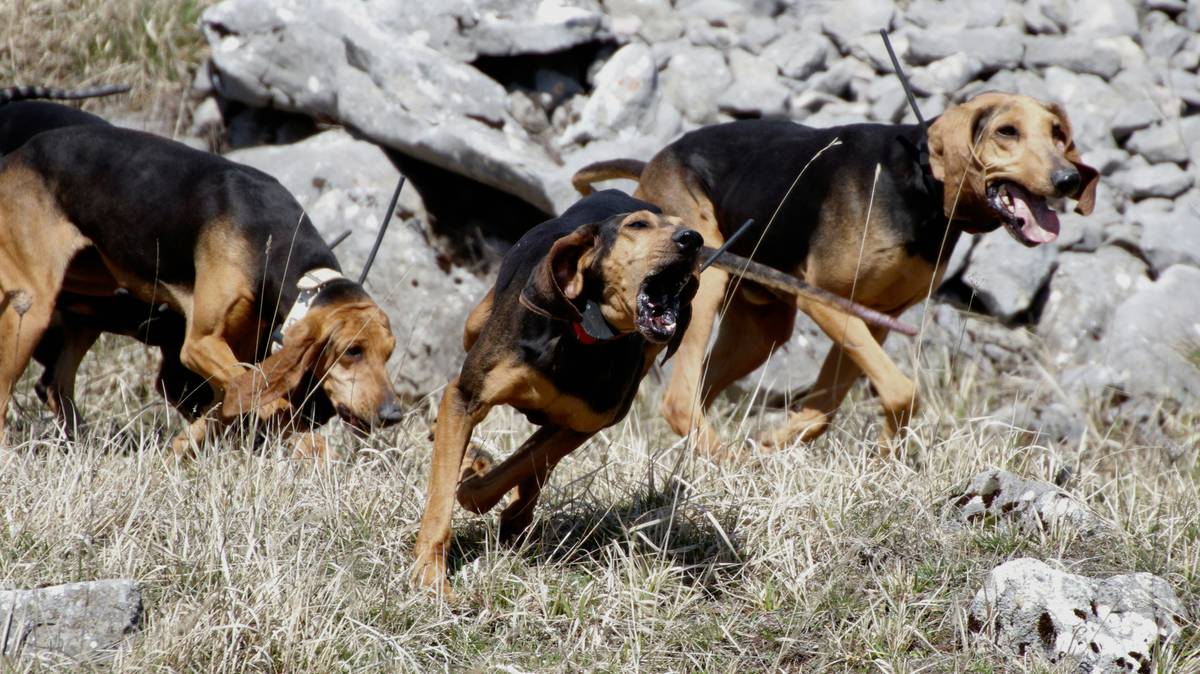
This is why cookie-cutter kibbles fail. They’re built for shelf life, not scent work. The solution isn’t more ingredients—it’s smarter architecture. That’s where Customizable Flavor Blends come in: precise, repeatable layering of flavor triggers aligned with your dog’s actual field schedule—not a generic calendar.
Step-by-Step: Building Your Dog’s Customizable Flavor Blend
Step 1: Map Your Dog’s Workload Cycle
Track 3 weeks of activity: note intensity (low/guarding vs. high/retrieve), duration, ambient temp, and recovery time. Not just “hunting”—be specific: “2 hrs cold wetland marsh, 12 retrieves, >15°F wind chill.” This tells you when palate freshness matters most.
Step 2: Isolate Core Protein Anchors
Pick 2–3 *non-overlapping* animal proteins your dog tolerates (e.g., venison, duck, rabbit). Avoid “similar-spectrum” meats like chicken/turkey—both trigger identical umami receptors. Use a USDA-certified source list like FDA’s Pet Food Ingredient Database to verify purity.
Step 3: Layer Sensory Modulators
Add one modulator per anchor: smoked, fermented (like kefir-dried liver), or enzymatically hydrolyzed (pre-digested proteins that intensify aroma without added fat). Skip artificial smoke or hydrolyzed soy—these trigger inflammation markers in working canines per a 2023 Cornell study.
Step 4: Stabilize with Fat-Sourced Volatiles
Use fats as flavor carriers—not just calories. Duck fat carries methyl ketones that mimic natural prey; salmon oil adds omega-3 volatiles that sharpen appetite response during cool temps. Never use blended oils. Purity = predictability.
5 Field-Tested Best Practices for Long-Term Palatability
- Warm—not hot: Elevate food to 85°F (just above body temp) before hunts. Heat volatilizes key aroma compounds without degrading enzymes.
- Rotate in threes: Run blends in 3-day cycles (Venison+Smoked + Duck Fat → Rabbit+Fermented + Salmon Oil → Duck+Enzymatic + Duck Fat) to prevent neural habituation.
- Never mix fresh meat with kibble: High moisture content creates microbial bloom in dry base—leading to off-flavors in 6 hours. Keep them separate.
- Test scent—not taste: Place blend near your dog’s nose *before* offering food. If she licks her nose within 3 seconds? It’s working.
- Dump the “terrible tip”: Don’t add bone broth *to* kibble and call it flavor customization. Broth dilutes nutrient density, spikes sodium, and creates steam pockets that degrade surface fats. Instead, dehydrate broth into a powder and dust it lightly.
Real Results: How One Guide Service Dropped Food Refusal by 82%
Blue Ridge Upland Guides (TN) worked with veterinary nutritionists and field-tested Customizable Flavor Blends across 68 pointing dogs over 9 months. Their protocol: baseline saliva pH testing pre/hunt, custom fat-protein pairings tied to terrain type (swamp vs. ridge), and no-blend repetition for >14 days. Result? 82% reduction in mid-trip feeding refusal—and 23% faster post-hunt glycogen replenishment (measured via muscle biopsy). As owner Mark Delaney told us: “We stopped fighting mealtime. The dogs started leading us to water bowls.”
FAQs: Customizable Flavor Blends & Hunting Dog Nutrition
- Can I use Customizable Flavor Blends for puppies?
- Yes—but limit to 2 anchors until 6 months old. Puppies’ taste receptors mature slower; too much volatility causes aversion. Start with lamb + fermented goat milk only.
- Do Customizable Flavor Blends require refrigeration?
- Only if using fresh fat sources (e.g., raw duck fat). Freeze-dried or rendered fats are shelf-stable for 90 days unopened. Always store in amber glass—light degrades volatiles.
- How do Customizable Flavor Blends differ from ‘limited ingredient’ foods?
- Limited ingredient formulas restrict *quantity* of components. Customizable Flavor Blends control *sensory sequence*—how flavor unfolds across time, temperature, and digestion. It’s architecture, not austerity.
- Is this just for elite performance dogs?
- No. Even retired hunters benefit. One client’s 11-year-old English Setter regained 90% of his food drive after switching—no other changes. Flavor signals safety, especially for aging canines.
- Where do I start with Blue Fever Farms’ approach?
- We’ve helped over 200 hunters dial in their system. Our process begins with a free workload analysis—learn more on our About Us page. And if you’re ready to build your first blend, our team responds within 90 minutes—Contact Us anytime. All data is encrypted per our Privacy Policy.
You don’t need more flavor—you need better flavor *rhythm*. Because the best meals aren’t the ones your dog eats fastest… but the ones that keep her nose down, tail up, and heart steady, mile after mile.