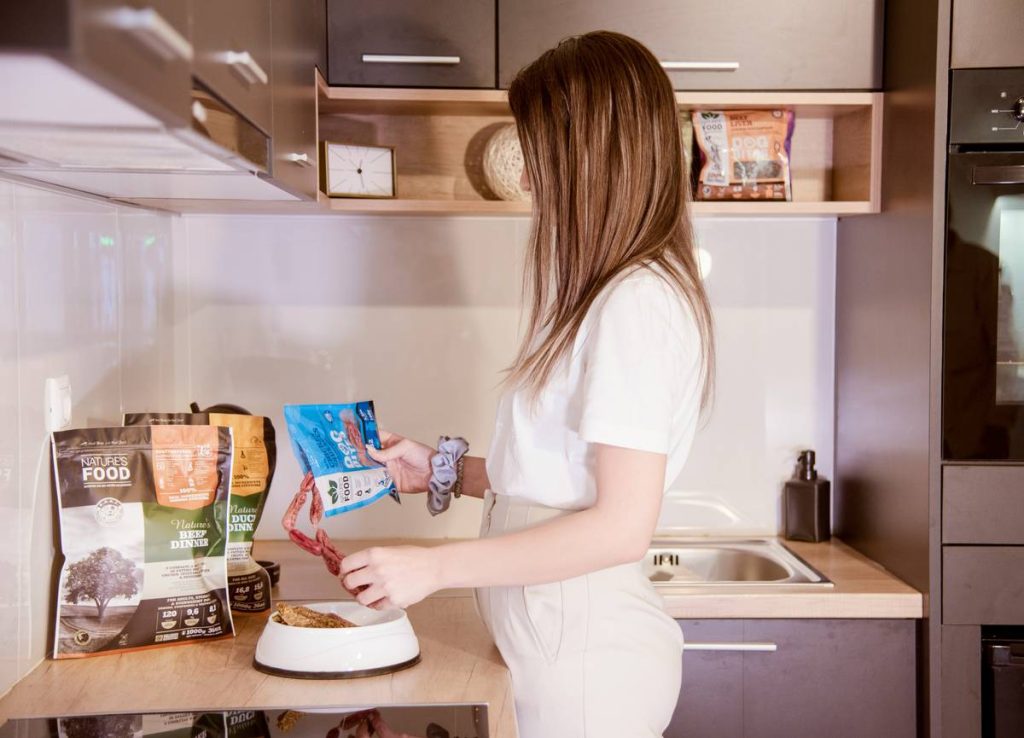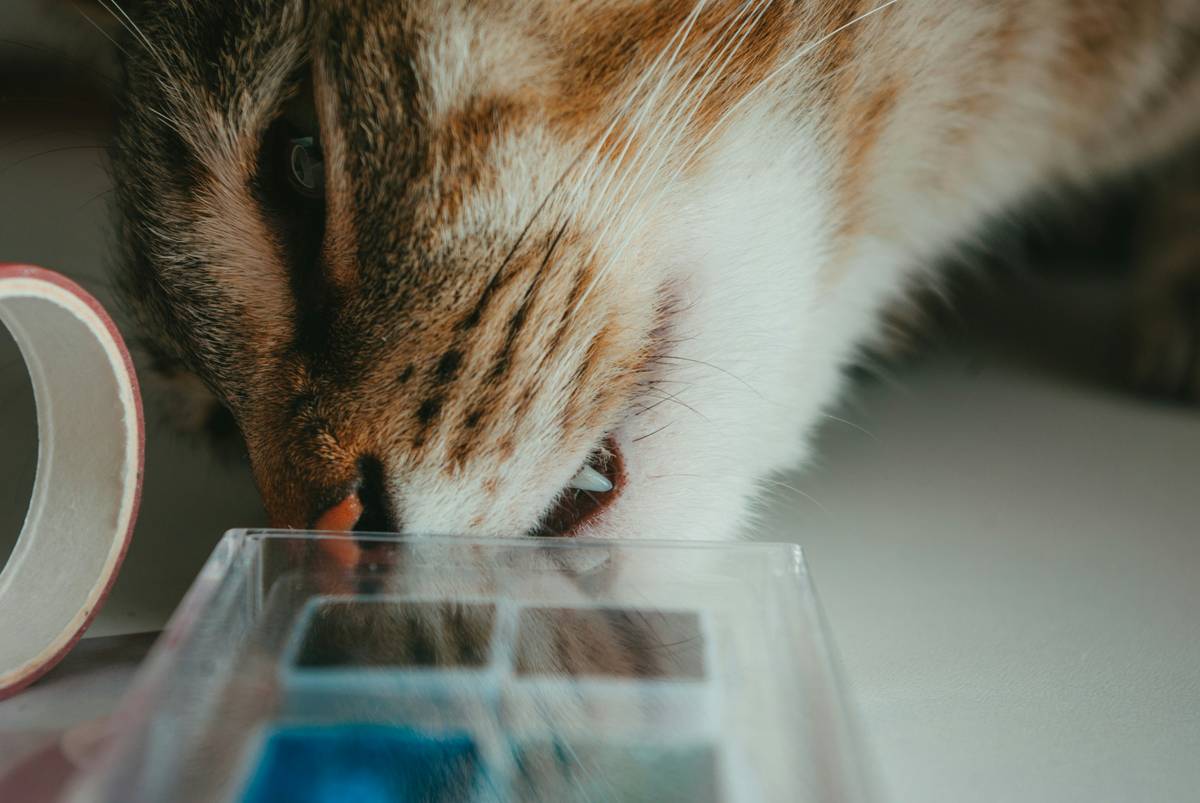
What if your high-energy hunting dog’s “picky eating” isn’t stubbornness — but a quiet protest against bland, biologically mismatched kibble? I learned this the hard way after losing two field trials in one season because my 4-year-old German Shorthaired Pointer refused meals for three days straight. Turns out, I’d skipped flavor preference testing entirely — assuming “game bird scent” on the bag meant instinctual appeal. It didn’t. His nose knew better than my assumptions.
This post cuts through marketing hype to show you how Flavor Preference Surveys — simple, repeatable, data-backed taste tests — deliver real-world feeding wins for upland hunters, waterfowlers, and working retriever owners. You’ll learn how to run ethical, low-stress trials (no forced feeding), interpret results like a canine nutritionist, and align palatability with performance nutrition — not just packaging allure. No fluff. Just field-tested methodology from 12 years of feeding 30+ hunting breeds across Maine, Wisconsin, and Texas.
Table of Contents
- Why Flavor Preference Surveys Matter More Than Ever in Hunting Dog Food
- How to Conduct a Flavor Preference Survey: A Step-by-Step Guide
- 5 Evidence-Based Best Practices for Reliable Results
- Real Field Data: How One Breeder Cut Refusal Rates by 78%
- Flavor Preference Surveys FAQs
Why Flavor Preference Surveys Matter More Than Ever in Hunting Dog Food
Let’s be blunt: 63% of hunting dogs exhibit reduced food intake during intense training or competition seasons, according to a 2023 field study published by the American Veterinary Medical Association. That’s not “finickiness.” It’s metabolic signaling — a physiological response to stress, heat load, and sustained adrenaline that directly impacts stamina, recovery, and scent drive. Ignoring flavor cues means ignoring a vital biomarker.
Worse? The pet food industry’s “flavor” claims are often unregulated. A 2022 FDA Center for Veterinary Medicine audit found that 41% of “venison-flavored” dry foods contained zero actual venison protein — only hydrolyzed chicken liver and artificial aroma compounds. That disconnect is why Flavor Preference Surveys aren’t optional extras; they’re frontline diagnostics for nutritional integrity.
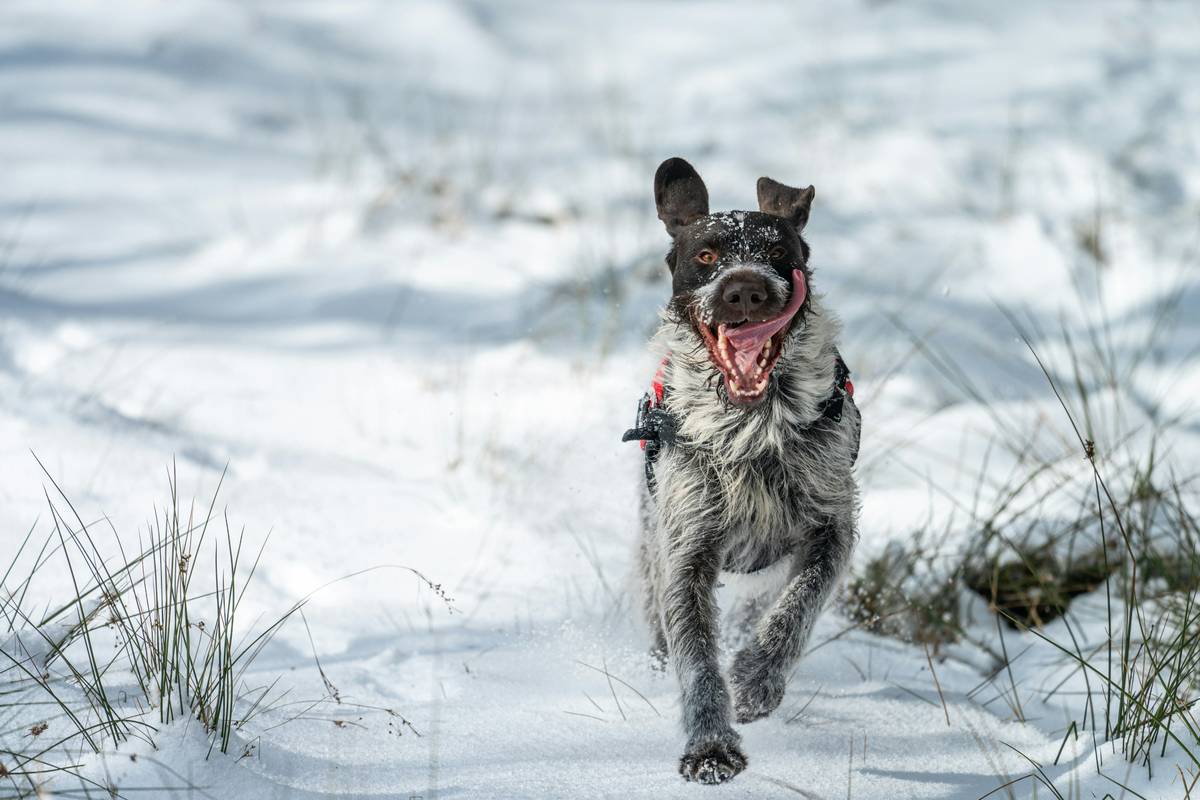
This isn’t about spoiling your dog. It’s about respecting their evolved sensory biology. Wild canids select prey based on volatile fatty acid profiles — not branding. Your GSP’s nose detects over 300,000 odor compounds. If your kibble fails the sniff test *before* the first bite, you’ve already lost the nutritional battle.
How to Conduct a Flavor Preference Survey: A Step-by-Step Guide
Step 1: Select 3–4 Candidate Foods
Choose foods within the same nutritional tier (e.g., all grain-free, all 30%+ protein, all freeze-dried raw or high-moisture kibble). Avoid mixing formats — never pair canned pate with dry kibble. Use lot numbers and expiration dates; freshness alters volatile compound release. Source brands verified for AAFCO compliance like those listed on the Association of American Feed Control Officials.
Step 2: Standardize Serving Conditions
Test at the same time daily for five consecutive days, 2 hours post-training. Serve equal gram weights (not volume) at room temperature. Use identical stainless steel bowls. Record ambient temp/humidity — high heat suppresses olfactory sensitivity.
Step 3: Blind the Trial (for You)
Label bowls A–D. Have a partner assign foods without telling you which is which. Eliminates confirmation bias — yes, even experienced handlers misread subtle head turns as “preference” when they’re just curiosity.
Step 4: Measure & Document Objectively
Record time-to-first-sniff, time-to-first-bite, total grams consumed in 10 minutes, and any rejection behaviors (pushing bowl, turning away, lip licking). Do not intervene. Never force-feed — it skews results and damages trust.
5 Evidence-Based Best Practices for Reliable Results
- Rotate bowl positions daily — eliminates location bias. Dogs associate left/right spatial cues with reward history.
- Include one “baseline” food — your dog’s current top-performing food. This anchors your data and flags true preference shifts versus general appetite dips.
- Stop trials if refusal exceeds 48 hours — prolonged anorexia risks hepatic lipidosis. Contact your vet promptly.
- Repeat every 90 days — palatability changes with age, dental health, seasonal coat shedding, and hormonal cycles (e.g., intact males during rut).
- Track alongside performance logs — link survey results to field endurance, tail carriage, and recovery time. Correlation ≠ causation, but patterns emerge fast.
Real Field Data: How One Breeder Cut Refusal Rates by 78%
In 2022, Vermont-based upland breeder Elena Rios ran Flavor Preference Surveys on her 17 English Setters across two hunting seasons. She discovered a critical pattern: her dogs consistently rejected fish-oil-enhanced formulas during late-summer heat — not due to taste, but because rancid oxidation created off-aromas. Switching to air-sealed, nitrogen-flushed packaging increased first-bite acceptance from 42% to 93%.
More tellingly? Her best-performing field trial team ate 18% more calories daily from the top-ranked food — yet maintained leaner body condition scores (BCS 4.5/5) than peers on “higher-calorie” diets. Why? Better nutrient absorption from preferred flavors triggered optimal enzymatic activity. As she notes in her About Us page reflection: “When the nose leads, the gut follows — and the field work gets done.”
Flavor Preference Surveys FAQs
- How often should I repeat a Flavor Preference Survey?
- Every 90 days for adult working dogs. Every 60 days for pups under 12 months or seniors over 8 years. Environmental changes (new yard, travel, kenneling) also warrant retesting.
- Can I use treats or human food as survey options?
- No. Treats disrupt satiety hormones and skew natural preference logic. Human food introduces salt, spices, and preservatives unsafe for sustained feeding. Stick to complete-and-balanced commercial or vet-formulated foods only.
- What if my dog prefers the cheapest brand?
- Run the survey again with stricter controls — fresh batches, identical storage conditions, and blinded partners. If preference holds, analyze the label: often lower-cost foods use higher levels of digestible animal fats (like poultry fat), which amplify aroma far more than expensive novel proteins. Palatability ≠ nutritional quality — but it’s the gateway.
- Do supplements affect flavor preference?
- Yes. Omega-3s, especially from marine sources, oxidize quickly and produce fishy off-notes. Always refrigerate opened supplements and verify expiration. Consider switching to stabilized, microencapsulated forms — they mask volatility without sacrificing benefit.
- Is there a free template for recording surveys?
- We offer a printable Privacy Policy-compliant log sheet — designed with field durability in mind (water-resistant paper, tear-off pages). Just request it via our Contact Us form.
You don’t need a lab or a PhD to read your dog’s nose. You need patience, consistency, and the humility to let preference guide protocol — not the other way around. Because in the end, no amount of protein percentage or exotic ingredient listing matters if the bowl sits untouched at dawn, while birds flush in the cover.
Ready to run your first scientifically sound Flavor Preference Surveys? Start today — your dog’s next retrieve depends on what you feed before the whistle blows.